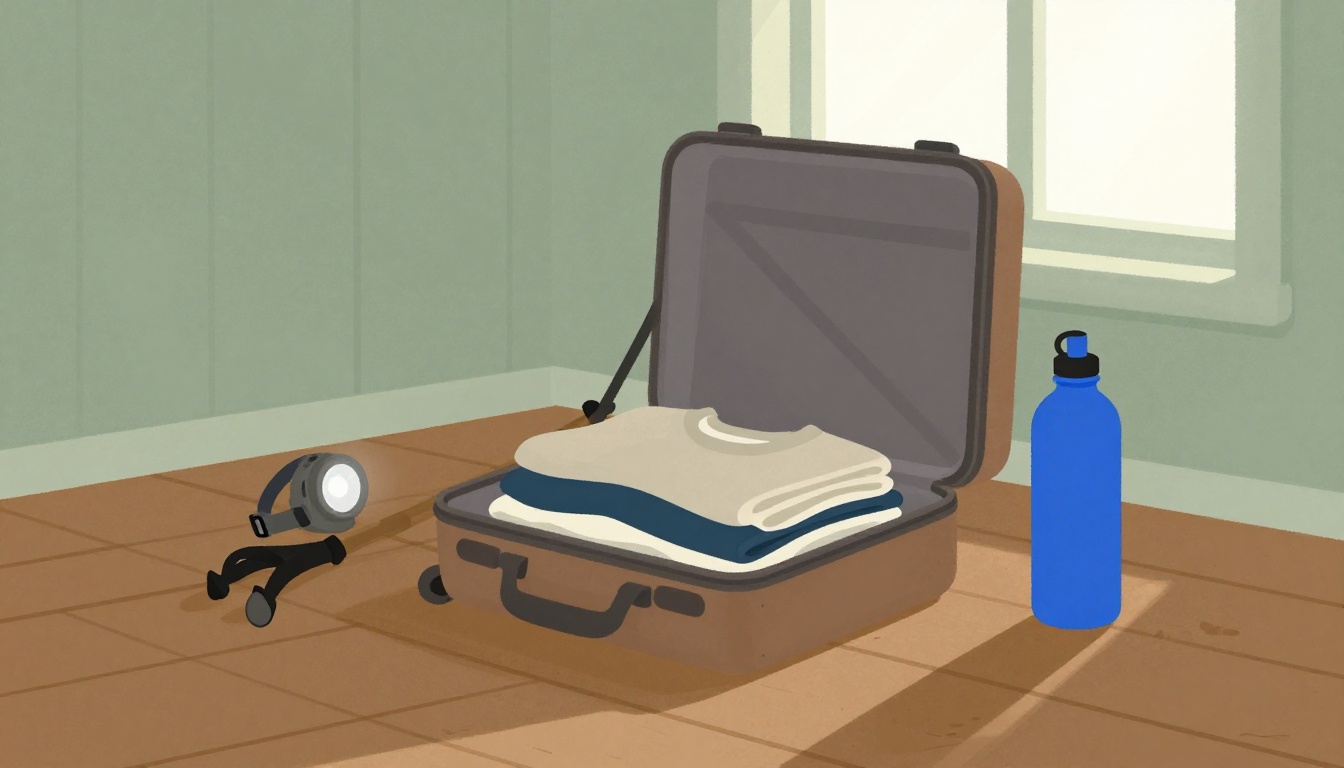
You've booked a mountain retreat, but now you're staring at an empty suitcase wondering what to bring. High-altitude travel is different. The air is thinner, the sun is stronger, and the weather can change in minutes. Pack wrong, and your dream getaway turns into a headache — literally.
This guide gives you a practical packing checklist for any high-altitude trip, whether you're heading to the Adirondacks, the Rockies, or the Alps. Follow it, and you'll stay comfortable, safe, and ready for adventure.
According to the CDC, what is the maximum recommended elevation gain per day once you are above 9,000 feet?
Select one answer.
The three-layer system for unpredictable mountain weather
Your clothing strategy is simple: layers. A three-layer system lets you adapt as temperatures swing from freezing mornings to warm afternoons.
Base layer: Moisture-wicking synthetic or merino wool tops and bottoms. Avoid cotton — it stays wet and makes you cold.
Mid layer: A fleece or lightweight down jacket for insulation. This is your primary warmth piece.
Outer layer: A waterproof and windproof jacket and pants. Even if the forecast is clear, mountain storms appear fast.
Don't forget a warm hat, gloves, and a buff or neck gaiter. At elevation, wind chill is no joke.
Footwear and accessories that matter
Your feet carry you through every hike, walk, and exploration. Invest in proper gear.
- Trekking shoes or boots: Sturdy, broken-in, and waterproof. Blisters ruin trips.
- Camp shoes or sandals: Give your feet a break at the lodge.
- Trekking poles: Reduce strain on knees and improve balance on uneven terrain.
- Headlamp with extra batteries: Essential for early starts or late returns. Daylight hours can be shorter in the mountains.
- Sunglasses with UV protection: Snow and high altitude intensify UV rays. Protect your eyes.
Medical and health essentials for altitude
Altitude sickness is real. Symptoms like headache, nausea, and fatigue usually start 6 to 10 hours after arrival, according to the NHS. Prevention is better than cure.
Pack these:
- Acetazolamide (Diamox) — consult your doctor if you're prone to altitude sickness.
- Pain relievers (ibuprofen or acetaminophen) for headaches.
- Anti-nausea medication.
- Lip balm with SPF and moisturizer — high altitude air is dry.
- High-SPF sunscreen and a wide-brimmed hat.
Hydration is key. Bring a reusable water bottle or hydration bladder. Aim to drink more than you think you need.
The golden rule of altitude acclimatization
The CDC recommends avoiding a direct ascent from low elevation to above 9,000 feet in one day. If possible, spend a few days at 8,000–9,000 feet before going higher. Once above 9,000 feet, increase your sleeping elevation by no more than 1,600 feet per day.
Practical steps:
- Plan a layover at a mid-elevation town.
- Avoid alcohol and heavy exercise for the first 48 hours.
- Listen to your body. If symptoms worsen, descend.
Gear and gadgets for comfort and safety
- Daypack (20–30 liters): For hikes and daily excursions.
- Rain cover for your backpack: A must in unpredictable weather.
- GPS device or offline maps: Cell service can be spotty.
- Power bank: Keep your devices charged.
- First-aid kit: Include blister treatment, antiseptic, and any personal medications.
- Emergency whistle and multi-tool: Lightweight but potentially lifesaving.
Quick checklist before you zip your bag
- Base layers (2–3 sets)
- Fleece or down jacket
- Waterproof jacket and pants
- Warm hat, gloves, buff
- Trekking boots and camp shoes
- Trekking poles
- Headlamp + extra batteries
- Sunglasses (UV protection)
- Sunscreen SPF 50+ and lip balm
- Reusable water bottle
- First-aid kit and personal meds
- Acetazolamide (if prescribed)
- Daypack with rain cover
- Power bank and charging cables
- GPS or offline maps
How the Resident Expert Can Help
Planning a group trip to the Adirondacks? You need a home base that brings everyone together without sacrificing comfort. 5 Star Lodge is a private mountain retreat in North Creek, NY, with four bedrooms, a master suite Jacuzzi, and panoramic views. It's the perfect launchpad for skiing at Gore Mountain, summer hiking, or simply relaxing with your crew. Book your stay and focus on making memories — we'll handle the rest.
Quiz: Test your high-altitude packing knowledge
Question: According to the CDC, what is the maximum recommended elevation gain per day once you are above 9,000 feet?
Options:
- 1,600 feet
- 3,300 feet
- 500 feet
Correct answer: 1,600 feet